

KINAVA Advances Bio-SRF and Biochar Production Using Agricultural Residues and Biomass
The Winner of Startup Wheel 2025 – International track, Eco-friendly energy company KINAVA Co., Ltd. (CEO: Dr. Kangil Choe) is set to expand into Vietnam’s bio-solid recovered fuel (Bio-SRF) and biochar market, building on the successful operation of its cassava pulp waste-to-energy pilot plant in Thailand.
Pilot Plant Achievements in Thailand
In Thailand, KINAVA applied its proprietary Hybrid Hydrothermal Carbonization (HTC) technology to cassava starch byproducts, establishing a pilot plant that produces high-energy-density Bio-SRF and eco-friendly biochar while minimizing odor emissions. Equipped with a heat recovery system to maximize efficiency, the facility generates Bio-SRF that can substitute fossil fuels in industrial boilers, while biochar is applied for soil enhancement and carbon sequestration material.
Vietnam’s Biomass Potential and Sustainability Challenges
Following these achievements, KINAVA has turned its focus to Vietnam, a country with abundant agricultural residues, including husks, corn stalks, and sugarcane bagasse, as well as large amounts of livestock manure. Much of this biomass is still burned in open fields or left untreated, contributing to greenhouse gas emissions, fine dust pollution, and odor complaints, and creating an urgent demand for sustainable solutions.
Alignment with Vietnam’s National Policies
The Vietnamese government is promoting a National Methane Reduction Plan and a Circular Economy Roadmap by 2030, with strong emphasis on developing bioenergy and organic fertilizer industries. KINAVA’s HTC-based solution directly aligns with these policy priorities. Locally produced Bio-SRF can serve as clean fuel for power plants and industrial boilers, while biochar contributes to carbon credit generation and sustainable agricultural practices.
CEO Statement on Agricultural Residue Valorization
“Through the cassava pulp pilot plant in Thailand, we have demonstrated both the technical and economic feasibility of agricultural residue valorization,”
“In Vietnam, we plan to establish production lines utilizing diverse biomass resources such as rice husks and sugarcane residues, thereby spreading a circular economy ecosystem that benefits farmers, businesses, and the government alike.”
Dr. Kangil Choe, CEO of KINAVA.
Strategic Expansion in Southeast Asia
KINAVA’s entry into Vietnam represents more than just an expansion of its pilot operations in Thailand; it is a strategic step toward strengthening its presence in the Southeast Asian agricultural residue valorization market. Looking ahead, the company intends to work with provincial governments in Vietnam to promote pilot-to-commercial scale deployment and link projects to international climate finance and carbon credit programs, securing both economic viability and environmental sustainability.
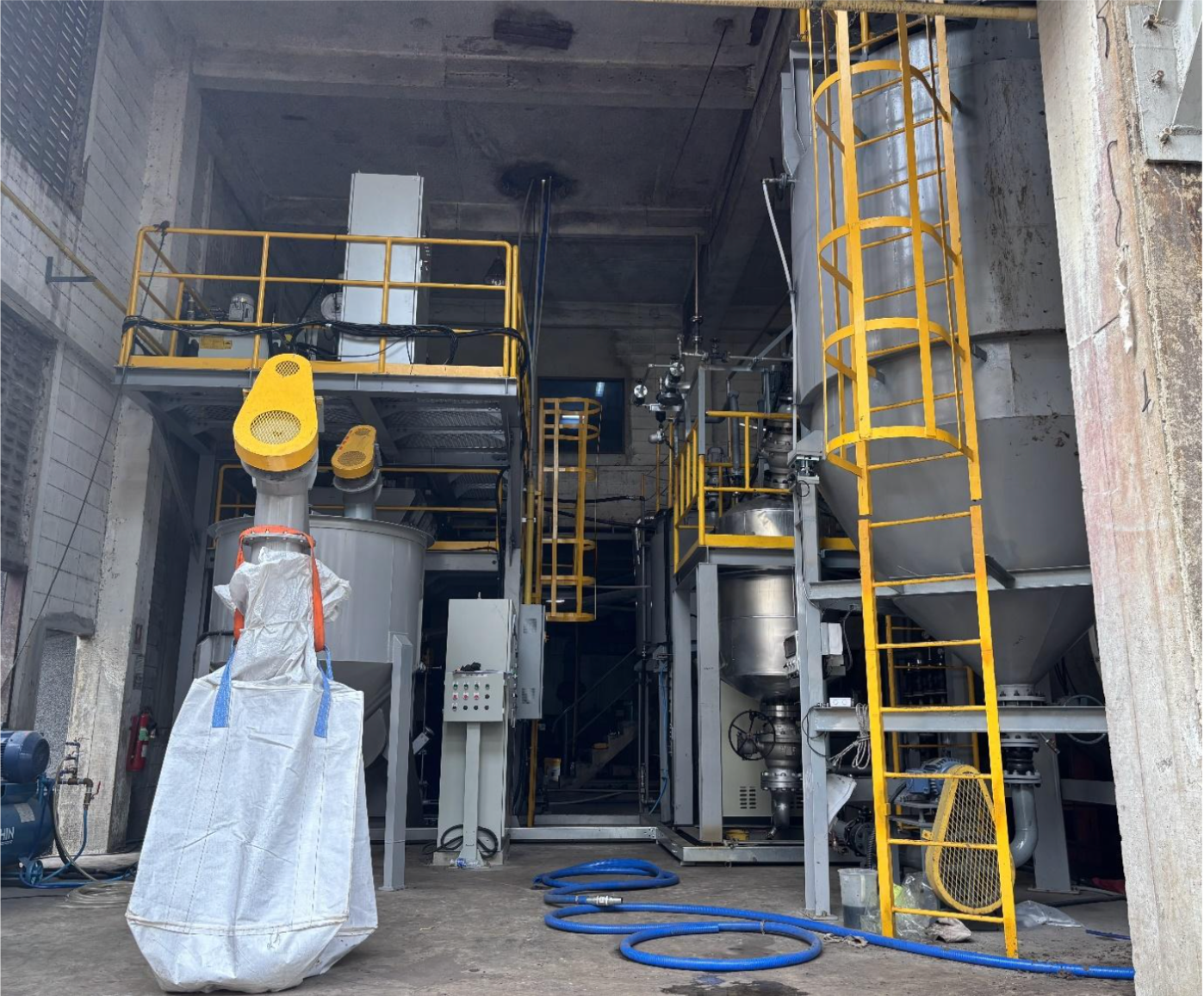
KINAVA’s G2E Plant@Thailand
KINAVA Co., Ltd.
Rooms 701–704, 7 Heolleung-ro, Seocho-gu, Seoul, Republic of Korea
Bio-Energy Center (Ansan, Gyeonggi)
Canada Branch (Coquitlam, BC)
E-mail: [email protected]
Web: www.kinava.com

